The best Web Designer interview questions will help you find the perfect candidate with the right level of expertise and match your company’s culture.
The questions to ask Web Designers are:
- Can you describe a time when you received critical feedback on a design? How did you handle it, and what changes did you make?
- Tell me about a project where you had to collaborate with developers. How did you ensure your design vision was implemented correctly?
- Have you ever worked on a project with tight deadlines? How did you prioritize tasks and manage time effectively?
- Share an example of a challenging client or stakeholder request and how you addressed it while staying true to your design principles.
- Can you discuss a time when you had to advocate for a design choice that others didn’t agree with? How did you persuade them?
- How do you ensure your web designs are both user-friendly and visually engaging?
- What strategies do you use to stay updated on the latest web design trends and technologies?
- How do you approach accessibility in your designs, and can you provide examples where accessibility features were integrated?
- Can you explain how you handle responsive design and ensure consistency across different devices and screen sizes?
- How do you balance creative freedom with business or technical constraints in a project?
- Imagine you’re given a project where the client has minimal branding guidelines. How would you approach the design process?
- A developer tells you that an element in your design isn’t feasible to implement. How would you handle this situation?
- What would you do if a client consistently asked for design changes late in the process, impacting the timeline?
- If you were tasked with redesigning an underperforming website, what would be your first steps?
- How would you respond if a project you designed performed poorly in terms of user engagement after launch?
- Can you explain the differences between wireframes, prototypes, and mockups, and when to use each?
- What is your process for creating design systems, and how do you ensure consistency across projects?
- How do you test and validate your designs before handing them off for development?
- Which tools and software are you most proficient in, and how have you used them in past projects?
- How do you approach incorporating SEO best practices into web design?
- If you were designing a website for a company with a very niche audience, how would you ensure the design resonates with their users?
- How would you redesign a popular website like Amazon or Netflix to improve the user experience?
- Imagine a client insists on using outdated design trends. How would you steer them toward more modern approaches without alienating them?
- What would you do if you were asked to design a website with a very limited budget but high expectations?
- How do you typically approach feedback from multiple stakeholders with conflicting opinions?
- Describe the kind of team environment where you do your best work.
- What do you think makes an excellent web designer, and how do you embody those qualities?
- How do you ensure continuous improvement in your skills and processes as a designer?
- If hired, what would be the first thing you’d want to learn about our business or current projects?
- What do you see as the biggest challenges in web design today, and how do you address them in your work?
- How do you measure the success of a web design project, and what metrics do you focus on?
- What role do you think storytelling plays in web design, and how do you incorporate it into your work?
- How do you ensure scalability in your designs for growing businesses or websites with expanding content needs?
- If given complete creative freedom, what kind of website would you design, and why?
These questions will help assess a candidate’s experience, problem-solving ability, creativity, technical expertise, and cultural fit for the Web Designer role.
Let’s review each one of them:
1. Can You Describe a Time When You Received Critical Feedback on a Design? How Did You Handle It, and What Changes Did You Make?
This question reveals a candidate’s ability to accept and act on feedback constructively. In my experience, web designers often face scrutiny from clients, stakeholders, and users. Asking this question shows how they approach criticism, whether they listen with an open mind, and how they translate feedback into actionable improvements.
It also highlights their resilience. A designer who can take tough feedback, reflect on their work, and adjust without losing their creative vision demonstrates both professionalism and adaptability. Their answer can uncover their emotional intelligence, collaboration style, and focus on the end user’s experience.
2. Tell Me About a Project Where You Had to Collaborate With Developers. How Did You Ensure Your Design Vision Was Implemented Correctly?
Web design doesn’t exist in isolation. Designers need to work closely with developers to turn their ideas into functional websites. This question helps you evaluate how well the candidate communicates technical requirements and how they bridge the gap between creativity and feasibility.
From my years of hiring for these roles, I’ve learned that a strong designer knows how to speak both “design” and “development.” They understand limitations like load times, responsive frameworks, and coding constraints. Their response will demonstrate their ability to compromise when necessary while still ensuring the project meets its goals. It also shows how they approach team dynamics and problem-solving.
3. Have You Ever Worked on a Project With Tight Deadlines? How Did You Prioritize Tasks and Manage Time Effectively?
Deadlines are a reality in web design. Asking about time management uncovers how a designer organizes their workload, sets priorities, and maintains quality under pressure. It’s especially relevant when you’re hiring for roles where juggling multiple projects is the norm.
Over the years, I’ve seen that the best web designers are not just creative but also practical. Their answer should reflect an ability to break down complex projects into manageable steps, adjust priorities when new demands arise, and deliver results without sacrificing user experience or aesthetics.
Look for details that show their thought process and ability to stay calm under stress.
4. Share an Example of a Challenging Client or Stakeholder Request and How You Addressed It While Staying True to Your Design Principles
This question digs into how a candidate balances client satisfaction with maintaining design integrity. In my recruitment experience, I’ve seen designers face unrealistic demands or conflicting visions. Their ability to navigate such situations while keeping the project on track is invaluable.
The answer to this question will reveal their problem-solving approach, whether they educate clients on best practices, and how they compromise when needed without compromising the user experience. Pay attention to whether they mention communication skills, as this is often the key to resolving these types of conflicts effectively.
5. Can You Discuss a Time When You Had to Advocate for a Design Choice That Others Didn’t Agree With? How Did You Persuade Them?
Great web designers are not just executors; they’re thinkers who defend their ideas with logic and evidence. This question uncovers whether the candidate can articulate the “why” behind their decisions and back them up with data, user feedback, or design principles.
From my perspective, this is critical because designers often encounter resistance from stakeholders who may not understand the rationale behind a decision. Their response should highlight how they present their case confidently yet diplomatically. It also shows their commitment to user-centric design, even in the face of opposition.
6. How Do You Ensure Your Web Designs Are Both User-Friendly and Visually Engaging?
This web designer interview question assesses whether a candidate understands the dual purpose of web design: functional usability and aesthetic appeal. A top web designer needs to create layouts that not only look great but also guide users effortlessly toward their goals. Their answer should reflect familiarity with user experience (UX) principles, visual hierarchy, and interactive elements.
Listen for references to user testing, iterative design, or feedback loops. These indicate that the designer evaluates success beyond surface-level visuals. Their ability to articulate how they balance form and function reveals how well they can align design work with your web designer job description or client needs.
7. What Strategies Do You Use to Stay Updated on the Latest Web Design Trends and Technologies?
Web design evolves every day. Asking this question highlights a candidate’s commitment to professional growth and their awareness of emerging tools, techniques, and practices. A designer who follows trends ensures that their work feels fresh and relevant, while a strong grasp of new technologies helps them innovate efficiently.
Look for mentions of design blogs, online communities, or hands-on experimentation with tools like Figma or Webflow. A solid answer shows a proactive approach to learning, which ultimately benefits tasks like onboarding a web designer or assigning new projects with evolving requirements.
8. How Do You Approach Accessibility in Your Designs, and Can You Provide Examples Where Accessibility Features Were Integrated?
Accessibility is a non-negotiable aspect of modern web design. This question gauges whether the candidate understands the importance of inclusivity and compliance with standards like WCAG. Accessible designs not only reach more users but also demonstrate a company’s commitment to social responsibility.
A great response includes specific examples, such as using proper color contrast, keyboard navigation, or screen reader compatibility. It also sheds light on how the designer prioritizes inclusivity during web designer tasks. Their answer should inspire confidence that they can create experiences accessible to all users, regardless of ability.
9. Can You Explain How You Handle Responsive Design and Ensure Consistency Across Different Devices and Screen Sizes?
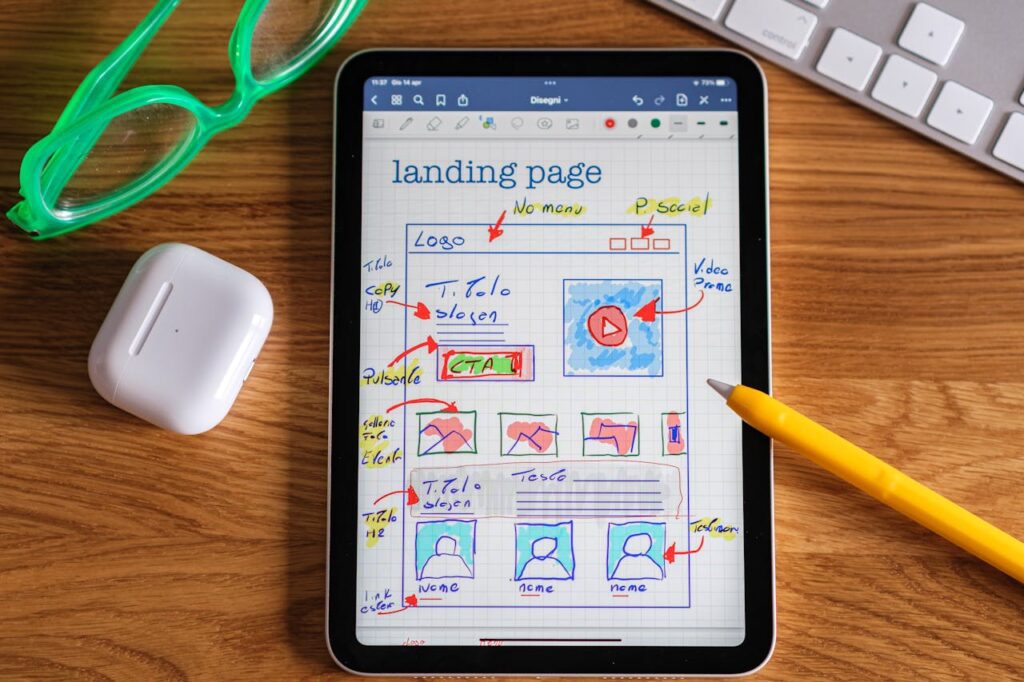
A web designer must ensure that websites work seamlessly on desktops, tablets, and smartphones. This question evaluates the candidate’s technical expertise with responsive frameworks like Bootstrap or CSS Grid and their testing methods for various screen resolutions.
An ideal response will emphasize tools, workflows, or coding practices that ensure fluid layouts and consistent performance. It might include approaches to maintaining visual integrity or functional reliability across devices. Knowing this helps hiring managers determine how well a designer aligns with project expectations and whether their skillset matches the desired web designer salary range.
10. How Do You Balance Creative Freedom With Business or Technical Constraints in a Project?
Creativity often meets limits like budget, client demands, or technological feasibility. This question explores how a candidate navigates those boundaries while producing valuable work. A skilled web designer can find innovative solutions without compromising business goals.
A strong answer might describe collaboration with developers, adapting designs to fit backend systems, or working within tight timelines. It shows a mature understanding of how to align artistic vision with project constraints. This insight is invaluable for evaluating how well a candidate can integrate into teams, meet objectives, and deliver results consistently.
11. Imagine You’re Given a Project Where the Client Has Minimal Branding Guidelines. How Would You Approach the Design Process?
This question is a litmus test for creativity and adaptability. Web designers often encounter projects where branding guidelines are vague or nonexistent. The way they approach this scenario reflects their ability to create a cohesive visual identity from scratch.
A great answer might include steps such as conducting a thorough consultation with the client to uncover their vision, researching competitors in the industry, and drafting a basic style guide to ensure consistency. Tools like Adobe XD or Figma can help designers prototype ideas and receive feedback.
This response helps hiring managers assess whether the candidate can handle the creative freedom and challenges tied to undefined brand elements, which are common in many web design projects. For HR teams, understanding this process ensures that the designer aligns with the company’s workflow for onboarding a web designer.
12. A Developer Tells You That an Element in Your Design Isn’t Feasible to Implement. How Would You Handle This Situation?
Collaboration between designers and developers is vital for project success. This question evaluates a candidate’s ability to navigate such conversations constructively. It’s not unusual for web designers to create elements that look great in concept but face technical challenges during implementation.
A strong candidate might explain how they communicate with developers to understand the limitations and propose alternative solutions. They could reference using collaboration tools like Zeplin to share designs or discuss ways to tweak elements without compromising the overall user experience.
Their answer also sheds light on their flexibility and teamwork, which are critical for completing web designer tasks efficiently. For hiring managers, it demonstrates how the candidate will manage conflicts and ensure the smooth execution of projects.
13. What Would You Do If a Client Consistently Asked for Design Changes Late in the Process, Impacting the Timeline?
Handling late-stage client changes is a balancing act of professionalism and assertiveness. This question helps determine whether a web designer can maintain project scope while keeping the client satisfied.
The best answers often include strategies such as setting boundaries early by establishing clear revision policies in contracts. Candidates might also discuss leveraging project management tools like Asana or Monday.com to track and communicate the effects of late changes on timelines.
These insights are crucial for hiring managers and HR recruitment teams to understand how a designer handles real-world challenges, especially when working with clients who may lack clear direction or change their minds frequently.
14. If You Were Tasked With Redesigning an Underperforming Website, What Would Be Your First Steps?
Redesigning an underperforming website goes beyond aesthetics. It’s about addressing performance issues such as poor navigation, lack of mobile optimization, or unclear calls to action. This interview question identifies candidates who approach redesigns strategically and prioritize functionality alongside visual appeal.
A top answer would include reviewing user behavior data through tools like Google Analytics or Hotjar to identify problem areas. It could also involve conducting competitor analysis or user testing to refine navigation and improve user engagement.
Responses like these show how well a designer understands the broader goals tied to web designer tasks, such as increasing conversions or reducing bounce rates. For HR teams, it also highlights whether the designer’s approach aligns with the company’s standards for delivering measurable results.
15. How Would You Respond If a Project You Designed Performed Poorly in Terms of User Engagement After Launch?
This question digs into a designer’s problem-solving skills and accountability. Poor performance post-launch isn’t uncommon, but the response matters. It reveals how a designer learns from mistakes and uses data to make improvements.
A thoughtful answer might include analyzing engagement metrics like click-through rates or session durations. Designers may reference collaborating with marketing teams to adjust content or conducting A/B tests to optimize specific elements.
This approach highlights their ability to take ownership of outcomes and improve results over time. For hiring managers, it’s a key part of evaluating the candidate’s suitability for a web designer job description. It also assures HR teams that the designer won’t shy away from revisiting their work when necessary.
16. Can You Explain the Differences Between Wireframes, Prototypes, and Mockups, and When to Use Each?
This question evaluates how well a web designer understands the stages of the design process. Wireframes, prototypes, and mockups are foundational tools in web design, each serving distinct purposes. Hiring managers need designers who know when and how to use them.
Wireframes outline the structure and layout, focusing on functionality and user flow. Prototypes simulate interactions and user experience, allowing stakeholders to test the design. Mockups present a polished visual representation of the final product.
The answer provides insight into the candidate’s communication skills and their ability to guide clients or teams through these stages. This clarity ensures projects move smoothly from ideation to implementation. For HR professionals, responses to this question help identify candidates capable of managing design tasks efficiently.
17. What Is Your Process for Creating Design Systems, and How Do You Ensure Consistency Across Projects?
Consistency is critical in web design, especially when working on large-scale projects or across multiple teams. A design system, with its reusable components and style guidelines, is key to maintaining a unified user experience.
By asking this question, hiring managers can assess the candidate’s organizational and technical skills. Strong candidates might describe how they document typography, colors, and interactive elements in tools like Figma or Sketch. They may also discuss collaboration with developers to implement shared libraries in platforms such as Storybook.
Their process reflects whether they can streamline workflows and ensure alignment between teams. Answers here also show a designer’s attention to scalability and detail. For HR recruitment teams, it’s a way to gauge how well a designer fits within the company’s existing workflows.
18. How Do You Test and Validate Your Designs Before Handing Them Off for Development?
A well-thought-out testing and validation process prevents costly errors during development. This question helps uncover whether a designer takes steps to ensure their work meets user and client expectations before it goes live.
Candidates may mention usability testing with real users, incorporating tools like Hotjar or Maze. They might discuss validating accessibility compliance with standards such as WCAG. A methodical approach to testing can reveal their understanding of practical design considerations.
It also speaks to their collaboration with developers, ensuring the design can be implemented without issues. Responses to this web design interview question highlight a designer’s responsibility to deliver designs that are not only visually appealing but also functional.
19. Which Tools and Software Are You Most Proficient In, and How Have You Used Them in Past Projects?
This question provides insight into a candidate’s technical expertise. A designer’s proficiency with industry-standard tools directly impacts their productivity and output quality.
Examples might include using Figma or Adobe XD for prototyping, Photoshop or Illustrator for graphic elements, and Zeplin for bridging design and development. A strong answer might reference how they used these tools to solve specific challenges or streamline collaboration.
For hiring managers, understanding a candidate’s toolkit helps assess whether their skills align with the company’s existing processes. For HR teams, this question highlights transferable skills and technical adaptability.
20. How Do You Approach Incorporating SEO Best Practices Into Web Design?
SEO is intertwined with web design, affecting a site’s visibility and performance. This question identifies candidates who understand how design decisions influence search engine rankings.
Strong candidates might explain how they optimize images for faster loading, structure pages with semantic HTML, or prioritize mobile-first design. They may also discuss collaborating with SEO specialists to ensure elements like meta tags, headers, and URL structures are properly implemented.
A designer who incorporates SEO best practices from the start can contribute to a project’s long-term success. For hiring managers, answers to this question help evaluate whether the designer can balance aesthetics with functionality. This is one of the most important questions to ask a web designer when building an SEO-focused team.
21. If You Were Designing a Website for a Company With a Very Niche Audience, How Would You Ensure the Design Resonates With Their Users?
This question helps hiring managers assess a designer’s ability to research and understand specialized user bases. Designing for a niche audience requires a different approach than creating for a broad market. It’s about digging deep into the preferences, needs, and behaviors of a specific group.
Strong candidates might describe how they conduct user interviews, gather behavioral data, or analyze competitor sites catering to the same audience.
For example, if designing for vintage car collectors, the aesthetic, typography, and imagery must align with their tastes. This question separates those who simply follow generic design principles from those who tailor every element to resonate with the end user. HR teams can use responses to evaluate a candidate’s ability to balance creativity with audience insight.
22. How Would You Redesign a Popular Website Like Amazon or Netflix to Improve the User Experience?
This question evaluates creativity, problem-solving, and a deep understanding of user behavior. Websites like Amazon and Netflix are already optimized to an impressive degree, so asking for improvements is a litmus test for a designer’s ability to think critically about UX and UI.
Candidates might identify opportunities to simplify navigation, improve search functionality, or enhance accessibility. For example, they might suggest more intuitive recommendations on Netflix or a cleaner product filtering system on Amazon. Their response reveals their analytical skills and whether they think beyond surface-level changes.
For hiring managers, this is a chance to see how well the candidate understands industry-leading design standards.
23. Imagine a Client Insists on Using Outdated Design Trends. How Would You Steer Them Toward More Modern Approaches Without Alienating Them?
This question uncovers how a designer handles sensitive conversations with clients. Many businesses have emotional attachments to their branding or past designs, making this a challenging but common situation.
A designer’s ability to diplomatically guide clients toward better solutions is key here. Effective candidates might describe presenting data or visual examples to illustrate the benefits of modern trends.
For instance, they could show how responsive design improves mobile engagement or how a fresh color palette enhances brand perception. Answers to this question give hiring teams insight into the candidate’s communication style, patience, and persuasion skills.
24. What Would You Do If You Were Asked to Design a Website With a Very Limited Budget but High Expectations?
This question explores a web designer’s resourcefulness and ability to prioritize. High expectations and tight budgets are a reality for many projects, so finding candidates who can deliver within constraints is vital.
Top candidates might discuss how they focus on functionality first, using templates or open-source tools to save time and money. They might also highlight ways to repurpose existing assets or simplify design elements without compromising quality.
For example, creating a minimalist layout could align with both budget restrictions and user preferences. This is one of the most practical web design interview questions, as it directly relates to real-world challenges.
25. How Do You Typically Approach Feedback From Multiple Stakeholders With Conflicting Opinions?
This question gauges how well a designer handles collaboration and conflict resolution. Stakeholder feedback is often varied, with marketing, development, and leadership teams all having different priorities.
Candidates who excel in these situations typically describe organizing feedback into categories, prioritizing based on project goals, and mediating between conflicting perspectives. Some might talk about facilitating workshops or using surveys to reach a consensus.
Their response shows their ability to remain diplomatic and focused on delivering results. For HR professionals, this is a key question to ask a web designer, as it demonstrates how they handle interpersonal dynamics and manage expectations effectively.
26. Describe the Kind of Team Environment Where You Do Your Best Work
This question provides insight into the candidate’s interpersonal preferences and collaboration style. Every web designer has a way of thriving, whether in structured settings with clear guidelines or more fluid setups where creativity flows freely. Hiring managers should focus on how the answer aligns with their organization’s culture.
For example, if a designer thrives in teams that emphasize brainstorming sessions and open communication, this might be a great fit for a company that prioritizes innovation. On the other hand, if they prefer autonomy with minimal interference, they might align better with remote-first teams.
As someone with extensive recruitment experience, I’ve seen mismatched team dynamics derail projects. This question ensures compatibility from the start.
27. What Do You Think Makes an Excellent Web Designer, and How Do You Embody Those Qualities?
Asking this allows candidates to share their values, strengths, and self-awareness. It also offers insight into their understanding of the profession. Look for thoughtful answers that touch on creativity, problem-solving, attention to user needs, and technical proficiency.
For example, a great web designer might mention balancing visual appeal with functionality or staying ahead of accessibility standards. When candidates explain how they embody these qualities, they provide concrete evidence of their abilities.
In my years recruiting creative professionals, I’ve found that this question often separates confident, reflective designers from those who are less self-aware.
28. How Do You Ensure Continuous Improvement in Your Skills and Processes as a Designer?
Web design trends and technologies change frequently, so ongoing learning is critical. This question helps hiring managers evaluate whether a candidate is committed to staying current. Strong candidates will talk about attending workshops, following industry leaders, experimenting with new tools, or even taking on personal projects.
For example, a designer might mention that they recently learned about responsive typography or started using Figma over Sketch to stay competitive. Hearing how they adapt shows their willingness to evolve, which is crucial for maintaining high-quality work.
In recruitment, I’ve noticed that designers with a growth mindset tend to excel in roles requiring creativity and technical expertise.
29. If Hired, What Would Be the First Thing You’d Want to Learn About Our Business or Current Projects?
This question evaluates the candidate’s curiosity and approach to onboarding. It also reveals how well they understand the importance of aligning design with business goals. A strong answer might include researching target audiences, reviewing analytics, or understanding the company’s branding.
For instance, a designer might express interest in studying user personas or identifying the main pain points users face on an existing website. Their response will highlight whether they take a user-centered approach. As someone who has worked with hundreds of hiring managers, I’ve found that candidates who prioritize learning about the company are more likely to deliver work that resonates.
30. What Do You See as the Biggest Challenges in Web Design Today, and How Do You Address Them in Your Work?
This question taps into the candidate’s industry awareness and problem-solving abilities. Modern web design comes with challenges like ensuring accessibility, optimizing for performance, and balancing aesthetics with functionality. Strong answers will demonstrate a practical understanding of these issues and solutions.
For example, a candidate might discuss the challenge of designing for both desktop and mobile users and explain how they use adaptive design techniques to address it.
Another might talk about ensuring that sites remain accessible for users with disabilities. Their ability to pinpoint and solve these issues shows whether they’re prepared to tackle the realities of the role. In my experience, this question also sparks some of the most insightful discussions during interviews.
31. How Do You Measure the Success of a Web Design Project, and What Metrics Do You Focus On?
This question highlights how well a designer understands the business impact of their work. A great web designer knows that success is tied to measurable outcomes like user engagement, conversion rates, and page load times. Asking this question helps you gauge if the candidate focuses on metrics that matter to your organization.
For example, some designers prioritize bounce rates or average session durations to determine if users are engaging with the site. Others might track lead generation or e-commerce sales, depending on the project’s goals.
In my experience, designers who mention a range of metrics—such as usability testing feedback and accessibility compliance—show a more holistic understanding. This is critical for aligning their work with broader objectives.
32. What Role Do You Think Storytelling Plays in Web Design, and How Do You Incorporate It Into Your Work?
Storytelling in web design is about creating emotional connections through visuals and layout. This question helps uncover a designer’s ability to translate narratives into intuitive user experiences. It also reveals their perspective on how design can evoke feelings and guide users through a journey.
For instance, a candidate might explain how they use consistent color schemes, typography, or imagery to convey a brand’s identity. Others might mention structuring content hierarchies to tell a story from introduction to call-to-action.
Over the years, I’ve noticed that the most impactful designs are rooted in storytelling. Designers who understand this are more likely to craft websites that resonate with users and encourage engagement.
33. How Do You Ensure Scalability in Your Designs for Growing Businesses or Websites With Expanding Content Needs?
Scalability ensures that a website can handle future growth without losing functionality or aesthetic appeal. This question is crucial for assessing whether a designer thinks long-term or only focuses on the immediate project. Hiring managers want someone who considers how the design will adapt as the business evolves.
A strong answer might involve designing modular systems with reusable components or choosing CMS platforms that simplify updates. Some designers might mention the importance of planning for mobile responsiveness as content scales.
Having seen projects falter due to poor scalability planning, I can say this is one of the most practical questions to ask. It ensures the designer is thinking about usability and flexibility from day one.
34. If Given Complete Creative Freedom, What Kind of Website Would You Design, and Why?
This question opens a window into the designer’s creativity, preferences, and vision. It’s a way to see how they express themselves when constraints are removed. Their response can give you a sense of their aesthetic, their passion, and their ability to think outside of traditional guidelines.
For instance, some might describe a highly interactive portfolio showcasing experimental design techniques. Others might opt for a minimalist site focused on clarity and speed.
Over the years, I’ve learned that the way a designer talks about their dream project often mirrors their true strengths and what excites them most about their craft. It’s an insightful way to assess if their personal style aligns with your brand’s vision.
Read More
- How to Hire a Web Designer: Skills to Evaluate and Steps to Follow
- Unstructured Interview: Meaning, Uses, and Risks for Employers
- Best Companies to Hire Web Designers for U.S. Businesses
- Stay Interview: What It Is and How It Improves Employee Retention
- Web Designer vs UX Designer: Key Differences in Skills and Workflow
- Asynchronous Interview: Definition and How It Works for Remote Hiring
- How to Hire a Marketing Person: Criteria, Evaluation, and Screening Tips
Final Thoughts on Web Designer Interview Questions
The questions we explored in this article are designed to uncover a candidate’s technical expertise, creative mindset, and problem-solving abilities. Hiring a web designer is about finding a professional who understands user experience, scalability, and how design impacts business goals.
These interview questions provide a framework to evaluate not only skills but also the candidate’s ability to align their work with your organization’s needs.
Key Takeaways for Hiring a Web Designer
- Focus on Practical Problem-Solving: Questions that ask about handling niche audiences, outdated design requests, or limited budgets can reveal how resourceful and adaptable a designer is under real-world constraints.
- Evaluate Strategic Thinking: Asking about metrics for success and storytelling in design highlights the candidate’s ability to think beyond aesthetics and consider the broader impact of their work.
- Assess Long-Term Compatibility: Questions about scalability and continuous improvement provide insights into whether the designer can grow with your business and stay aligned with its vision.
- Creativity Matters: Inviting candidates to share how they’d approach a dream project or redesign a well-known site can give you a sense of their passion, originality, and depth of expertise.
Why Wow Remote Teams?
If you’re looking for exceptional web designers, Wow Remote Teams can help you connect with top talent from Latin America. We specialize in sourcing skilled professionals who bring creativity, technical proficiency, and cultural alignment to businesses in the United States. Whether you need a web designer for a short-term project or a long-term hire, our recruitment experts ensure you find the right match.
Collaborating with Wow Remote Teams means gaining access to a network of designers who excel in user experience, scalable design practices, and business-oriented creativity.
Let us help you build a website design team that meets your goals and exceeds your expectations.