The main difference between a UI Designer and a UX Designer lies in their focus areas within the design process. A UI Designer is primarily concerned with the visual aspects of a product, including layout, colors, typography, and interactive elements that make up the product’s interface.
On the other hand, a UX Designer focuses on the overall user experience, ensuring the product is intuitive, easy to navigate, and meets users’ needs effectively. While UI Design is part of the broader UX process, UX Designers also conduct user research, create wireframes, and test prototypes to optimize functionality.
In short, UI Designers enhance the visual appeal and interaction design, while UX Designers focus on usability, making sure the product functions seamlessly for the user.
Key Takeaways
- Core Focus: UX designers concentrate on the overall experience of using a product, while UI designers focus on its visual identity and communication.
- Creativity & Design Principles: Both roles require creativity, but UX design emphasizes user behavior and feedback, whereas UI design focuses on aesthetic appeal.
- Visual vs. Functional: UI designers create compelling visuals that tell a brand story, while UX designers ensure those visuals support a seamless user experience.
- Collaboration: UX and UI designers often work together to blend layout, typography, and colors with intuitive interface functionality.
- Choosing the Right Role: The decision between UX and UI design depends on whether the focus is on user experience or brand identity—neither is inherently better.
Quick Comparison: Graphic Designer vs. UX Designer
When deciding between hiring a UX Designer or a UI Designer, it’s important to understand the distinctions between these two roles in the design process. While they both contribute significantly to the creation of digital products, their focus areas differ.
A UI Designer is responsible for the look and feel of the product, including visual elements such as layout, colors, and typography. In contrast, a UX Designer’s primary goal is to ensure that the product is intuitive and user-friendly, focusing on the overall user journey and experience.
Below is a table that compares the two roles, helping you determine which one is better suited for your needs.
| Aspect | UI Designer | UX Designer |
|---|---|---|
| Primary Focus | Designs the visual aspects of the product, including the interface and interactive elements. | Focuses on the user’s overall experience, ensuring the product is intuitive and easy to use. |
| Key Responsibilities | Creating layouts, buttons, icons, and overall design for interfaces. | Conducting user research, wireframing, prototyping, and testing to ensure the product meets user needs. |
| Skill Set | Proficiency in graphic design, typography, color theory, and interaction design tools. | Expertise in user research, interaction design, usability testing, and prototyping tools. |
| Experience Level | Typically mid to senior-level, with a strong background in visual design and tools like Sketch or Figma. | Typically mid to senior-level, with a focus on UX/UI design principles and user-centered design methods. |
| Goal Orientation | Focuses on creating visually appealing interfaces that align with brand identity. | Prioritizes creating a seamless, efficient user experience that enhances user satisfaction. |
| Supervisory Role | Works with other designers and developers to implement visual elements into the product. | Collaborates with product managers, developers, and researchers to ensure the overall design meets user needs. |
| Metrics They Impact | Visual aesthetics, brand recognition, and the feel of the interface. | User retention, task efficiency, and conversion rates, focusing on the overall user journey. |
| Industries/Settings | Best suited for web and mobile interfaces, branding, and marketing materials. | Primarily for digital products, websites, and applications that require optimization for user experience. |
| Cost Implication | Typically lower salary due to the focus on visual aspects of design. | Generally commands a higher salary due to the strategic and research-intensive nature of the work. |
| Best Fit For | Businesses seeking to enhance the visual design of their digital products. | Companies aiming to improve the usability and functionality of their digital products. |
By comparing the differences between a UX and a UI Designer, it becomes clearer which role is more appropriate based on your project’s needs.
If the focus is on creating a beautiful and engaging interface, a UI Designer is the ideal fit. However, if your priority is ensuring that the product provides an exceptional and intuitive user experience, a UX Designer is the right choice.
Responsibilities of a UX Designer
A UX Designer’s role is centered around creating user experiences that are both functional and intuitive, ensuring users can navigate digital products easily and efficiently.
UX design involves a deep understanding of the target audience, their behaviors, and the challenges they face when interacting with a product. A UX Designer’s job goes beyond just visual appeal; it’s about solving problems, addressing pain points, and optimizing every aspect of the user journey.
Conducting UX Research
One of the core responsibilities of a UX Designer is conducting user research. This step is crucial in understanding user needs, preferences, and behaviors. UX research may include methods like surveys, user interviews, and usability testing to gather insights directly from users.
This data helps the UX designer create solutions that are more likely to resonate with the target audience, ensuring the final product meets user expectations.
Designing for Optimal User Experience
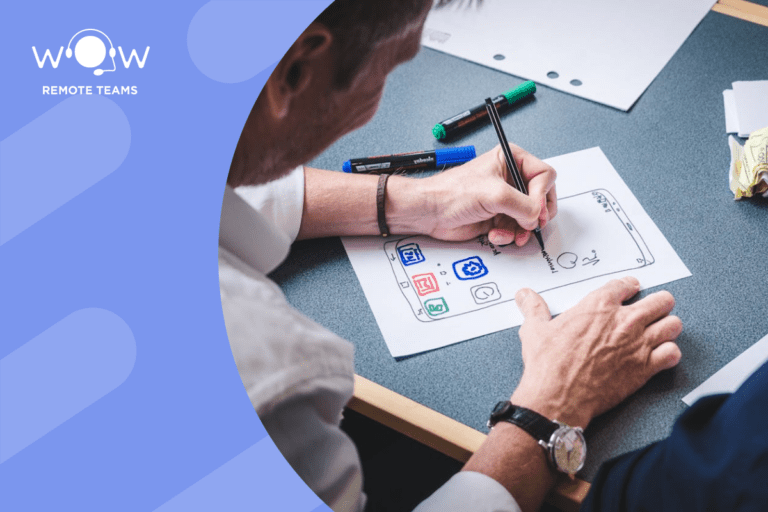
UX Designers focus on the structure and flow of a product to enhance user experience design. They work on developing wireframes, user flows, and prototypes that help visualize how users will interact with a product.
Through these design elements, UX Designers ensure that the product is not only functional but also intuitive and accessible. They prioritize usability, ensuring that users can easily complete tasks without unnecessary friction or confusion.
Solving Problems and Addressing Pain Points
One of the most important roles of a UX Designer is identifying problems and pain points in the user journey.
By closely analyzing how users interact with a product, UX Designers can identify where users are struggling and where the design might be causing frustration. Through iterative testing and refining, they ensure that these issues are resolved, leading to a smoother, more enjoyable experience for the user.
Creating Responsive Design
Responsive design is a critical element of good UX. A UX Designer must ensure that the product adapts seamlessly to different screen sizes and devices.
This means creating flexible layouts and interactive elements that adjust based on the device, whether it’s a smartphone, tablet, or desktop. Good UX design includes making sure the experience remains consistent and effective, regardless of the device being used.
Collaborating with Cross-Functional Teams
A UX Designer might work closely with UI Designers, developers, product managers, and other stakeholders to ensure the design meets both user needs and business objectives.
Collaboration is key to creating a cohesive and functional product, and the UX Designer’s role is to advocate for the user’s perspective throughout the design and development process. They also need to ensure that the design is not only visually appealing but also technically feasible.
Iterating and Refining Designs
Learning UX design is an ongoing process. UX Designers continually test, gather feedback, and iterate on their designs to improve user experience.
This iterative process ensures that the final product aligns with user needs and addresses any emerging problems or pain points. UX designers refine and improve their work based on real user data and insights, making sure that every design decision contributes to an enhanced overall experience.
Learning UX Design and Developing Skills
For those interested in learning UX design, it’s essential to develop both design skills and an understanding of user psychology. UX design involves understanding the needs and behaviors of users, as well as the technology that supports the product.
A good UX designer uses research, design thinking, and testing to ensure the product delivers the best possible experience. Learning UX design involves gaining skills in wireframing, prototyping, usability testing, and much more, ultimately preparing the designer to create highly effective user experiences.
Why Hire a UX Designer?
Hiring a skilled UX Designer ensures that a product will be easy to use, functional, and aligned with user expectations. Their work focuses on making products accessible, intuitive, and efficient, enhancing the overall user experience and driving user satisfaction.
Enhancing User Satisfaction
The primary goal of a UX Designer is to create a product that users find intuitive and easy to navigate. A UX Designer focuses on reducing friction and ensuring that users can quickly and efficiently complete their tasks, which directly contributes to higher satisfaction levels.
Solving Usability Issues
By focusing on user research and problem-solving, UX Designers identify and fix usability issues within a product. Bad UX can lead to frustrated users and abandoned products.
A skilled UX designer addresses these issues by iterating on designs, improving usability, and enhancing the overall user journey.
Improving Conversion Rates and Retention
Good UX design not only improves user satisfaction but also impacts key business metrics like conversion rates and user retention.
By removing barriers and making the product more enjoyable to use, UX Designers can help businesses increase engagement and ensure users keep coming back.
Future-Proofing Your Product
Responsive design and an ongoing focus on user feedback allow UX Designers to future-proof digital products. As user needs evolve and technology advances, the design can be adjusted and improved to keep pace with changes, ensuring that the product remains relevant and effective.
Responsibilities of a UI Designer
A UI Designer’s role is focused on creating visually appealing, aesthetically pleasing user interfaces that facilitate an engaging and intuitive user experience. They translate the wireframes and concepts into a visually cohesive product, ensuring that the design is both functional and attractive.
UI design skills are crucial in shaping the digital interface, making it an essential part of product development. The UI designer works with other team members to bring the vision to life through effective design elements and ensures that the end product is both usable and visually stimulating.
Designing User Interfaces
UI Designers focus on the visual aspects of a product, from designing buttons and icons to selecting fonts, colors, and layout. They are responsible for creating all the interactive elements that a user interacts with, ensuring that the product is visually consistent and easy to navigate.
A great UI is not only visually attractive but also functional, providing users with clear, intuitive interactions. By following UI design best practices, they craft a design that enhances the user experience and allows for smoother user journeys.
Information Architecture and Layout
An essential part of UI design involves information architecture, which determines how information is structured and organized on a digital interface. UI Designers must ensure that content is presented logically, making it easy for users to navigate and find the information they need.
They create visual hierarchies that guide the user’s attention to the most important elements and ensure that the layout contributes to a seamless navigation experience. A good UI helps users intuitively understand where to click, scroll, or interact, whereas bad UI often leads to confusion and frustration.
Collaborating with the Design Team
UI Designers work closely with product designers, UX designers, and developers to ensure that the interface matches the user experience goals and the technical constraints of the product.
Collaboration is key, as the UI designer integrates the research and user flows provided by UX designers into a final product design. UI design requires aligning aesthetics with functionality, and the designer must ensure that their designs are not only visually pleasing but also technically feasible and optimized for different platforms and devices.
Iterating and Refining Designs
A UI designer might engage in an iterative process, constantly refining and optimizing designs based on feedback and testing. This process ensures that the interface continues to meet both user needs and business goals.
Whether refining typography or adjusting the spacing between elements, every detail plays a role in shaping the final product. Good UI design is an evolving process that requires continuous improvement to stay relevant to users’ preferences and technological advancements.
Building Stronger Technical Abilities
As UI designers gain experience, they often build stronger technical abilities. This includes refining their knowledge of front-end development tools, design systems, and responsive design.
Learning new UI design tools, such as Figma or Sketch, helps designers create prototypes and collaborate more effectively with development teams. Over time, learning UI design allows the designer to contribute to more complex projects, increasing their overall versatility in product design.
Why Hire a UI Designer?
Hiring a skilled UI Designer ensures that a product not only functions properly but also stands out visually. UI design plays a critical role in making a product more appealing and user-friendly, helping businesses build engaging digital products.
Enhancing User Interaction
The main goal of a UI Designer is to create a user interface that is engaging and easy to interact with. Good UI design minimizes the cognitive load on the user and makes interactions intuitive.
A great UI ensures that users can complete tasks with ease, enhancing the overall user experience. On the other hand, bad UI design can cause confusion and frustration, leading to user disengagement and abandonment.
Ensuring Consistency Across Platforms
UI Designers are responsible for creating a consistent visual language across all platforms and devices. This means ensuring that the design remains coherent whether viewed on a smartphone, tablet, or desktop.
A consistent interface reinforces brand identity and improves usability, making it easier for users to adapt to different screens without confusion.
Improving User Engagement
Great UI design can significantly improve user engagement by making the product more enjoyable to use.
By focusing on the aesthetic and functional aspects of the interface, UI Designers can encourage users to spend more time interacting with the product. A well-designed interface builds trust and creates a positive impression, increasing the likelihood of users returning to the product.
Future-Proofing Your Digital Product
UI Designers ensure that products remain adaptable to future technological advancements and changing user expectations.
Responsive design, in particular, ensures that the interface remains functional and visually appealing across different screen sizes and resolutions. This helps maintain user satisfaction as technology evolves, ensuring that the design stays relevant and effective.
Comparing UX Designers and UI Designers: When One Might Be a Better Fit Over the Other
When it comes to building a great digital product, UX and UI designers both play critical roles, but their expertise and focus areas differ. Understanding the differences between UX and UI design can help businesses make smarter decisions about who to hire at different stages of product development.
Here’s a breakdown of when hiring one over the other might be a better investment.
When Hiring a UX Designer Might Not Be the Best Fit
A UX designer’s main focus is on the user experience, ensuring that digital products are intuitive and easy to navigate. They dive deep into user behavior, defining how people will interact with the product and identifying pain points.
However, there are times when a UX designer’s role may not be the most critical, especially in certain product development stages.
Businesses in the Early Stages
If a company is still in the ideation phase or conceptualizing its digital product, a UX designer may not be immediately necessary. At this point, the focus is on fleshing out the product’s core features and functionality, not refining the user experience.
A product designer or even a technical team may be more equipped to handle these early stages. Once there’s a working product or prototype, that’s when a UX designer truly shines, testing and refining user flows.
Small or Single-Product Companies
For businesses that are in the very early stages or have a single product, particularly if it’s not digital, a UX designer might not be essential. These businesses may not have yet developed a digital design roadmap.
A UX designer is most effective when there’s a need to optimize user interaction within a digital interface, which may not be a priority for businesses still working on their first product.
Short-Term, Marketing-Centric Projects
If your focus is on short-term campaigns or projects like promotional content or visual ads, a graphic designer may be more useful. These types of projects don’t require in-depth interaction design, which is where UX and UI designers truly make an impact.
In contrast, graphic designers focus on visual communication, branding, and content creation, while UX designers would be better suited for more long-term product design.
Unclear Roles Within the Design Team
If your team hasn’t clearly defined the role of a UX designer, hiring one might not provide much value. A UX designer is most effective when the product is at a stage where users need a seamless experience.
Without a clear understanding of the role and expectations within the design team, their work may not align with the company’s product requirements.
When Hiring a UI Designer Might Not Be the Best Fit
UI designers, on the other hand, specialize in crafting the look and feel of the product, focusing on visual elements like colors, typography, and overall layout. They are the ones who turn wireframes and prototypes into beautiful, interactive interfaces.
While UI design is a crucial part of the digital design process, there are moments when UI designers may not be the best fit for a project.
Companies Focused More on Functionality than Aesthetics
Some businesses may need a UX designer more than a UI designer—especially when functionality and user flows take precedence over visual elements.
In the early stages of product development, UX designers focus on creating intuitive, seamless user experiences that help users achieve their goals efficiently. Once the user experience is well-defined, UI designers come in to polish the design and make it visually appealing.
Businesses Without a Defined Brand Identity
If your company hasn’t established a solid brand identity or communication strategy, it might not make sense to hire a UI designer right away. User interface designers are experts in creating a cohesive and visually attractive design based on brand guidelines.
Without those guidelines in place, the UI design work may lack direction. In these cases, it’s important to first focus on product development and brand positioning before diving into UI design.
Companies Without a Digital Product Yet
If your company is still in the process of developing a digital product or hasn’t yet established a significant digital presence, hiring a UI designer could be premature.
UI designers focus on creating the visual aspects of an interface, and if there is no actual digital product or website to work on, they can’t start their design work. At this stage, UX designers might be more beneficial, helping to define the user experience before UI design becomes relevant.
When Specific Digital Design Skills Are Needed
Some businesses need expertise in a particular digital design tool or system, such as designing for mobile apps or optimizing web usability. UX designers possess a more technical skill set related to user flows, interactions, and digital interface design.
In contrast, UI designers focus on the visual side of things and might not have the in-depth technical knowledge needed for complex digital design tasks like responsive design or usability optimization.
Similarities Between UX Designers and UI Designers
Despite their differences, UX designers and UI designers share several key similarities. Both play crucial roles in the design process and have a significant impact on how users perceive and interact with a product.
Both UI and UX design demand creativity and a strong understanding of design principles. While UI designers focus primarily on the visual elements of the interface, they also need to ensure that their designs are user-friendly and accessible, which is an essential part of the overall UX process.
For instance, both roles require attention to detail in aspects such as typography, color schemes, and layout consistency, making sure that visual elements work together in harmony.
Additionally, both UI designers and UX designers must deeply understand the target audience and how users will engage with the design. UI designers focus on creating visually appealing and functional interfaces, while UX designers emphasize how users will navigate and experience the product.
However, both professions need to empathize with users to create designs that are both aesthetically pleasing and highly functional.
In practice, UX design and UI design often overlap in the development of websites and apps. For instance, UX designers may rely on UI designers’ work for visual elements like icons, typography, and imagery.
Similarly, UI designers need to consider how these visual elements impact the overall user experience, ensuring that the interface is not only attractive but also functional.
Final Verdict on UX Designer vs UI Designer
Choosing between a UX designer and a UI designer depends largely on the specific needs of the project. If the main goal is to improve the user experience by making the product intuitive, easy to navigate, and user-centered, hiring a UX designer is crucial.
UX designers specialize in creating designs that prioritize functionality, usability, and overall user satisfaction. Their role often involves user research, wireframing, prototyping, and testing, ensuring that the product effectively meets users’ needs while considering the constraints of development.
On the other hand, if the project focuses more on visual appeal, brand consistency, and creating engaging designs that connect with users emotionally, then a UI designer is the right choice. UI designers handle all the visual elements of a product, from layout and typography to colors and iconography. They create the aesthetic direction and identity of a product, ensuring that every visual detail is aligned with the brand.
In some cases, both roles may need to collaborate closely. For example, a UI/UX designer may handle both visual design and user experience, ensuring the interface is visually attractive while also delivering a smooth, intuitive user journey. In such scenarios, the distinction between UX design and UI design can blur, as both roles work together to balance aesthetics with functionality.
By understanding the distinctions and similarities between these two roles, businesses can make more informed decisions about which professional to hire based on the specific needs of their product.
Need help hiring for these roles?
WOW Remote Teams specializes in connecting businesses with talented UX designers and UI designers from Latin America. We help you find the right professionals to strengthen your brand’s design and user experience.
Contact us today to connect with the right candidates for your team and elevate your design efforts.