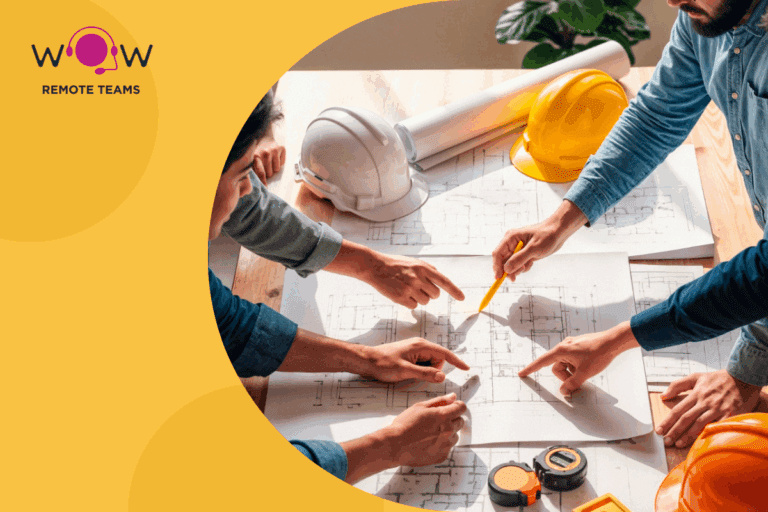
An architect is a licensed professional who plans, designs, and oversees building construction projects while ensuring compliance with building codes, safety regulations, and client requirements. Their core function involves translating client needs into functional, sustainable, and code-compliant structures through technical drawings, specifications, and construction documentation.
Architects combine creative design thinking with engineering principles, regulatory knowledge, and project coordination skills to:
- Develop schematic designs and construction documents that meet zoning and building code requirements.
- Coordinate with engineers, contractors, and consultants throughout the design and construction process.
- Conduct site analysis and feasibility studies to inform design decisions.
- Manage project budgets, schedules, and quality control during construction administration.
The architecture profession requires state licensure obtained through completing a professional degree, gaining supervised experience through the Architectural Experience Program (AXP), and passing the Architect Registration Examination (ARE). Beyond licensed architects, the field encompasses numerous technical and administrative roles that support design development, documentation production, and project delivery.
Let’s examine the full spectrum of job titles within architecture.
- Role Clarity Matters: Understanding specific responsibilities for each title improves team structure and hiring accuracy.
- Licensure is Critical: Licensed architects accept legal responsibility and must seal construction documents in most jurisdictions.
- Technology Specialization: BIM, computational design, and digital fabrication roles reflect architecture’s technical transformation.
- Beyond Design: Project managers, specifications writers, and construction administrators ensure projects get built correctly.
- Administrative Foundation: Office managers, project coordinators, and marketing staff enable technical teams to focus on design work.
What are the Most Common Job Titles in Architecture?
The most frequently hired architecture positions include:
- Project Architect
- Architectural Designer
- BIM Manager
- Technical Architect
- Construction Administrator
- Project Manager (Architecture)
- CAD Technician
- Specifications Writer
- Design Architect
- Job Captain
Project Architect
This role oversees individual building projects from schematic design through construction completion, coordinating between design teams and contractors while ensuring technical compliance.
Architectural Designer
Develops design concepts and prepares presentation materials, construction documents, and 3D visualizations using software like Revit, Rhino, and SketchUp.
BIM Manager
Manages Building Information Modeling workflows, establishes BIM standards, coordinates model integration across disciplines, and ensures data accuracy in collaborative environments.
Technical Architect
Focuses on detailing, code compliance, building systems integration, and producing construction documents that translate design intent into buildable specifications.
Construction Administrator
Serves as the architect’s representative during construction, conducting site observations, reviewing shop drawings, processing RFIs, and issuing change orders.
Project Manager (Architecture)
Coordinates project schedules, budgets, and consultant teams while serving as the primary client contact throughout design and construction phases.
CAD Technician
Produces technical drawings, details, and construction documents using AutoCAD and Revit based on architect specifications and design intent.
Specifications Writer
Prepares detailed written specifications that complement construction drawings, defining materials, workmanship standards, and installation requirements.
Design Architect
Leads conceptual design development, creates design narratives, and produces presentation materials for client approvals and design reviews.
Job Captain
Manages day-to-day production of construction document sets, coordinates drawing quality control, and maintains document standards across project phases.
How Does the Architecture Title Hierarchy Work?
Architecture firms follow a progression structure that reflects experience, licensure status, and leadership responsibility. Here’s the career ladder:
1. Entry-Level Positions (Recent Graduates)
These roles support senior staff with basic tasks while gaining experience toward licensure. Examples include:
- Architectural Intern: Works under licensed architect supervision, completing AXP requirements while contributing to construction document production and design development.
- Junior Designer: Assists with conceptual design, creates presentation boards, and develops basic 3D models under designer or architect direction.
- CAD Drafter: Produces technical drawings from redlines, maintains drawing standards, and updates construction document sets as directed.
Entry positions require a professional architecture degree (B.Arch or M.Arch) but don’t yet hold licensure. Work involves executing tasks defined by senior staff while building technical proficiency.
2. Mid-Level Positions (3-7 Years Experience)
After gaining experience, professionals specialize in specific project phases or technical areas. Examples:
- Architectural Designer: Develops design solutions independently, produces construction documents, and coordinates with consultants on technical integration.
- Job Captain: Manages construction document production for project phases, coordinates drawing sets across team members, and ensures technical accuracy.
- BIM Coordinator: Maintains project models, resolves coordination conflicts, and produces drawings from the central model using Revit or ArchiCAD.
- Project Coordinator: Tracks project schedules, manages consultant deliverables, processes submittals, and coordinates internal resources.
Mid-level staff work more independently but still report to project architects or principals. Many pursue licensure during this phase by completing ARE divisions while gaining supervised experience.
3. Licensed Architect Level (Licensed + 5-10 Years)
Licensed architects stamp drawings, make code-compliance decisions, and accept legal responsibility for design work. Examples:
- Project Architect: Manages complete projects from programming through closeout, coordinates consultant teams, and interfaces with clients and building officials.
- Technical Architect: Ensures building code compliance, reviews shop drawings, resolves technical issues, and coordinates building systems integration.
- Construction Administrator: Represents the architect during construction, conducts site observations, reviews contractor submittals, and processes change orders.
Architects at this level have passed the ARE, hold state licensure, and can seal construction documents. They make final technical decisions and accept liability for design integrity.
4. Senior Management (10-15+ Years)
Senior architects manage departments, oversee multiple projects, and guide firm technical standards. Examples:
- Senior Project Architect: Oversees portfolio of projects, mentors project teams, establishes quality standards, and manages client relationships.
- Design Director: Sets design direction for the firm, reviews all major design work, and leads design excellence initiatives.
- Technical Director: Establishes firm-wide technical standards, reviews complex details, and provides technical oversight on challenging projects.
- Studio Director: Manages a practice area or studio, oversees project portfolios, and directs business development within a market sector.
Senior staff shape firm culture, establish standards, and guide strategic decisions while managing teams of licensed architects and designers.
5. Principal/Partner Level (Ownership Track)
Principals own equity in the firm, drive business development, and make strategic firm decisions. Examples:
- Associate Principal: On track for partnership with partial ownership stake, manages major clients, and leads firm initiatives.
- Principal Architect: Full equity partner who shapes firm direction, leads major pursuits, and takes ultimate responsibility for project delivery.
- Managing Principal: Oversees firm operations, makes financial decisions, sets strategic direction, and manages partner relationships.
Principals balance design excellence with business management, client development, and staff leadership. They assume financial liability and guide firm growth strategy.
How It All Fits Together
Architecture firms function through collaboration across experience levels. Interns execute basic tasks, designers develop solutions, licensed architects ensure compliance, senior architects provide oversight, and principals drive strategy.
Each role builds on the foundation below it. As you advance, technical responsibility increases alongside client interaction, team management, and business development duties. The path from intern to principal typically spans 15-20 years, with licensure serving as a critical milestone.

Administrative & Support Roles in Architecture
Administrative positions keep architecture firms running efficiently by managing operations, coordinating workflows, and supporting project teams. These roles handle the business side of practice, allowing architects to focus on design and technical work.
Office Manager
An Office Manager oversees daily firm operations, manages administrative staff, and ensures smooth workflow across departments.
Top 10 Responsibilities:
- Managing office budgets, vendor contracts, and procurement processes.
- Overseeing HR functions including payroll, benefits administration, and onboarding.
- Maintaining office systems, equipment, and software licenses.
- Coordinating IT support and managing technology infrastructure.
- Establishing and enforcing office policies and procedures.
- Managing office space planning and facilities coordination.
- Overseeing marketing materials, RFP responses, and award submissions.
- Coordinating firm events, staff meetings, and professional development programs.
- Tracking expenses, processing invoices, and managing accounts payable/receivable.
- Supporting principals with scheduling, travel coordination, and executive administration.
Project Coordinator
A Project Coordinator tracks project schedules, manages documentation, and coordinates communication between architects, consultants, and clients.
Top 10 Responsibilities:
- Maintaining project schedules using tools like Microsoft Project or Asana.
- Coordinating consultant deliverables and tracking submission deadlines.
- Managing project files, correspondence logs, and document version control.
- Processing submittals, RFIs, and change orders during construction.
- Scheduling meetings, preparing agendas, and distributing meeting minutes.
- Tracking project budgets and processing consultant invoices.
- Maintaining contract documents and coordinating contract amendments.
- Preparing project reports and updating project status dashboards.
- Coordinating printing, plotting, and document distribution for bid sets.
- Supporting project closeout documentation and archiving requirements.
Marketing Coordinator
A Marketing Coordinator manages firm marketing initiatives, prepares pursuit materials, and coordinates public relations efforts.
Top 10 Responsibilities:
- Writing and editing project descriptions, case studies, and firm narratives.
- Preparing RFQ/RFP responses and interview presentations.
- Managing firm website, social media presence, and digital marketing.
- Coordinating photography, renderings, and portfolio documentation.
- Maintaining project databases and updating CRM systems.
- Tracking awards submissions and managing competition entries.
- Coordinating conference attendance, sponsorships, and speaking opportunities.
- Managing brand standards, templates, and marketing collateral.
- Supporting business development meetings and client cultivation events.
- Tracking pursuit pipelines and preparing win/loss analysis reports.
Accounting Manager
An Accounting Manager oversees financial operations, manages billing processes, and ensures accurate financial reporting for architecture firms.
Top 10 Responsibilities:
- Managing accounts payable, accounts receivable, and cash flow forecasting.
- Processing project invoicing using Deltek Vision, BQE Core, or similar software.
- Reconciling consultant invoices and processing subconsultant payments.
- Preparing monthly financial statements and management reports.
- Tracking project budgets, burn rates, and utilization metrics.
- Managing payroll processing and benefits administration.
- Coordinating annual audits and tax preparation with external accountants.
- Establishing internal financial controls and approval workflows.
- Processing expense reports and maintaining travel policy compliance.
- Managing professional liability insurance certificates and project-specific policies.
Office Administrator
An Office Administrator provides administrative support across multiple firm functions, assisting with daily operations and project coordination.
Top 10 Responsibilities:
- Answering phones, managing reception duties, and greeting clients.
- Processing incoming mail, packages, and deliveries.
- Maintaining office supplies inventory and coordinating procurement.
- Scheduling conference rooms and managing calendar coordination.
- Supporting document production including printing, binding, and shipping.
- Maintaining filing systems and document archives.
- Coordinating office maintenance and facilities requests.
- Supporting new hire onboarding and orientation processes.
- Assisting with event planning and staff meetings.
- Managing vendor relationships and service contracts.
Human Resources Manager
An HR Manager handles talent acquisition, employee relations, and compliance for architecture firms navigating complex labor requirements.
Top 10 Responsibilities:
- Managing recruitment processes from job postings through offer negotiations.
- Coordinating onboarding programs and new hire orientation.
- Administering benefits programs and open enrollment processes.
- Developing employee handbooks and ensuring policy compliance.
- Managing performance review cycles and compensation planning.
- Addressing employee relations issues and workplace conflicts.
- Ensuring compliance with labor laws, EEOC regulations, and OSHA requirements.
- Coordinating continuing education and professional development programs.
- Managing workers’ compensation claims and disability accommodations.
- Tracking PTO accruals, leave management, and attendance records.
Design & Creative Positions
Design roles focus on conceptual development, visual communication, and spatial problem-solving. These positions drive the creative vision that defines architecture projects.
Design Architect
A Design Architect leads conceptual design development and establishes the design vision for projects from initial programming through schematic design.
Top 10 Responsibilities:
- Conducting programming sessions with clients to define project requirements.
- Developing design concepts that respond to site conditions, program needs, and budget constraints.
- Creating presentation materials including sketches, diagrams, and design narratives.
- Leading design charrettes and brainstorming sessions with project teams.
- Preparing client presentations and guiding design review meetings.
- Coordinating with technical staff to ensure design feasibility.
- Conducting precedent research and analyzing case studies.
- Developing sustainable design strategies and energy modeling approaches.
- Reviewing design development work to maintain design intent.
- Presenting projects at design awards programs and industry conferences.
Architectural Designer
An Architectural Designer develops and refines building designs while producing technical documentation that supports construction.
Top 10 Responsibilities:
- Creating design options using SketchUp, Rhino, or Revit.
- Producing construction documents including plans, sections, and elevations.
- Coordinating with structural, MEP, and civil consultants.
- Conducting code research and zoning analysis.
- Developing material palettes and finish selections.
- Preparing design presentations for client meetings.
- Creating 3D renderings and physical models.
- Conducting site visits and documenting existing conditions.
- Reviewing shop drawings and responding to contractor RFIs.
- Maintaining project libraries and detail standards.
Interior Designer
An Interior Designer focuses on interior architecture, finishes, furniture specifications, and space planning within building shells.
Top 10 Responsibilities:
- Developing interior layouts that meet accessibility and code requirements.
- Specifying finishes, fixtures, and furniture systems.
- Creating finish schedules and material boards.
- Coordinating millwork details and custom casework designs.
- Preparing interior construction documents and specifications.
- Conducting product research and maintaining finish libraries.
- Managing furniture procurement and installation coordination.
- Reviewing contractor submittals for interior elements.
- Coordinating lighting design with electrical engineers.
- Conducting site observations during interior construction phases.
Urban Designer
An Urban Designer works at the scale of neighborhoods, districts, and campuses, addressing site planning, public spaces, and community design.
Top 10 Responsibilities:
- Preparing master plans for multi-building campuses and mixed-use developments.
- Analyzing urban context, transportation patterns, and pedestrian circulation.
- Developing design guidelines and architectural standards for districts.
- Creating site plans that integrate buildings, landscapes, and infrastructure.
- Coordinating with landscape architects on public space design.
- Conducting community engagement and public input sessions.
- Preparing zoning analysis and entitlement strategies.
- Developing sustainable site design strategies including stormwater management.
- Creating urban design frameworks and pattern books.
- Presenting master plan concepts to planning commissions and review boards.
Computational Designer
A Computational Designer uses algorithmic design, scripting, and generative tools to solve complex design problems and optimize building performance.
Top 10 Responsibilities:
- Developing parametric models using Grasshopper, Dynamo, or Python.
- Creating custom design tools and automation scripts.
- Conducting generative design studies and optimization analysis.
- Developing facade systems using computational methods.
- Analyzing building performance through environmental simulation.
- Creating data visualization dashboards for design teams.
- Developing fabrication geometry for complex building elements.
- Coordinating digital fabrication workflows.
- Training staff on computational design methods.
- Researching emerging tools and design technologies.
Visualization Specialist
A Visualization Specialist produces photorealistic renderings, animations, and virtual reality experiences that communicate design intent.
Top 10 Responsibilities:
- Creating high-quality renderings using V-Ray, Enscape, or Lumion.
- Developing animation sequences and fly-through videos.
- Building virtual reality experiences using Unreal Engine or Unity.
- Processing model geometry from Revit or Rhino for rendering.
- Managing material libraries and entourage assets.
- Setting up lighting scenarios and camera compositions.
- Post-processing images using Photoshop.
- Coordinating with design teams on visualization requirements.
- Managing render farms and output timelines.
- Maintaining visualization standards and best practices.
Technical & Production Positions
Technical roles ensure that architectural designs can actually be built by translating concepts into detailed construction documents that contractors use in the field.
Technical Architect
A Technical Architect focuses on building code compliance, construction detailing, and systems coordination to ensure designs meet regulatory requirements and constructability standards.
Top 10 Responsibilities:
- Conducting code analysis under IBC, NFPA, and local amendments.
- Developing building sections and wall assemblies that meet energy codes.
- Coordinating building envelope details with waterproofing consultants.
- Reviewing structural, MEP, and civil drawings for coordination issues.
- Preparing accessibility compliance studies under ADA and state codes.
- Developing standard details for firm-wide use.
- Responding to building department plan check comments.
- Reviewing shop drawings for compliance with construction documents.
- Conducting site observations to verify construction quality.
- Maintaining technical resource libraries and code research tools.
Job Captain
A Job Captain manages the production of construction document sets, coordinating team members and ensuring drawing quality and consistency.
Top 10 Responsibilities:
- Establishing drawing organization and sheet layout standards.
- Assigning tasks to team members and tracking production schedules.
- Conducting quality control reviews before milestone submissions.
- Coordinating with consultants to incorporate their drawings.
- Managing drawing revisions and tracking cloud markups.
- Maintaining drawing standards and template files.
- Preparing document sets for bid and permit submissions.
- Coordinating with specifications writers on document alignment.
- Processing consultant drawing submissions and comments.
- Managing drawing distribution to contractors and building departments.
CAD Technician
A CAD Technician produces technical drawings and construction documents using AutoCAD and Revit based on architect direction and markup redlines.
Top 10 Responsibilities:
- Drafting floor plans, sections, elevations, and details in AutoCAD or Revit.
- Updating drawing sets based on architect redlines and corrections.
- Maintaining drawing standards and layer conventions.
- Creating title blocks, cover sheets, and drawing templates.
- Plotting drawing sets and managing digital file organization.
- Importing consultant drawings and managing x-refs.
- Creating schedules for doors, windows, and finishes.
- Dimensioning drawings and adding annotations.
- Managing drawing revisions and cloud markups.
- Converting legacy CAD files to current standards.
BIM Coordinator
A BIM Coordinator manages Building Information Modeling workflows, maintains model quality, and coordinates multi-discipline models.
Top 10 Responsibilities:
- Establishing BIM execution plans and model organization standards.
- Managing central Revit models and worksharing coordination.
- Running clash detection using Navisworks or Solibri.
- Coordinating model integration with structural and MEP consultants.
- Creating families and custom Revit components.
- Generating drawing sheets from central models.
- Managing point cloud integration and scan-to-BIM workflows.
- Training staff on Revit best practices and troubleshooting issues.
- Developing Dynamo scripts for workflow automation.
- Coordinating BIM deliverables for owner facility management systems.
BIM Manager
A BIM Manager establishes firm-wide BIM standards, manages technology infrastructure, and oversees BIM implementation across all projects.
Top 10 Responsibilities:
- Developing firm BIM standards and implementation guidelines.
- Managing Revit templates, families, and content libraries.
- Evaluating and implementing BIM software and plugins.
- Training staff on BIM tools and workflows.
- Managing BIM server infrastructure and software licensing.
- Establishing quality control procedures for model development.
- Coordinating with IT on hardware specifications and network performance.
- Managing clash detection protocols and coordination workflows.
- Developing custom tools and automation scripts.
- Staying current with BIM trends and industry standards.
Specifications Writer
A Specifications Writer prepares detailed written specifications that define materials, workmanship standards, and installation requirements for construction projects.
Top 10 Responsibilities:
- Writing project specifications in CSI MasterFormat using SpecsIntact or e-SPECS.
- Coordinating specifications with construction drawings to eliminate conflicts.
- Conducting product research and evaluating manufacturer data.
- Maintaining master specification libraries and section templates.
- Reviewing product submittals for specification compliance.
- Attending pre-bid meetings and clarifying specification requirements.
- Processing specification addenda during bidding.
- Coordinating with consultants on their specification sections.
- Updating specifications based on contractor substitution requests.
- Maintaining product representation files and manufacturer contacts.
Building Systems Designer
A Building Systems Designer coordinates mechanical, electrical, plumbing, and fire protection systems within architectural designs.
Top 10 Responsibilities:
- Coordinating space requirements for MEP equipment and distribution.
- Developing shaft layouts and horizontal distribution pathways.
- Coordinating ceiling heights with ductwork and piping runs.
- Integrating structural grids with MEP layouts.
- Coordinating fire protection equipment locations and zones.
- Reviewing MEP shop drawings for architectural coordination.
- Developing space allocation diagrams for mechanical rooms.
- Coordinating access panels and maintenance clearances.
- Integrating renewable energy systems into building designs.
- Conducting building performance analysis and energy modeling.
Historic Preservation Specialist
A Historic Preservation Specialist works on restoration, renovation, and adaptive reuse projects involving historically significant structures.
Top 10 Responsibilities:
- Conducting historic building assessments and documentation.
- Preparing applications for historic tax credits and preservation grants.
- Coordinating with State Historic Preservation Offices (SHPO).
- Ensuring compliance with Secretary of Interior Standards.
- Developing preservation plans and treatment recommendations.
- Conducting archival research on building history and materials.
- Coordinating with preservation consultants and historians.
- Detailing restoration methods and material matching approaches.
- Reviewing contractor methods for historic fabric preservation.
- Documenting existing conditions through measured drawings and photography.

Project Delivery & Management Roles
Project delivery positions coordinate schedules, budgets, contracts, and teams to move projects from concept through completion on time and within budget.
Project Architect
A Project Architect manages complete building projects from initial programming through construction closeout, serving as the primary client contact and coordinating all design and construction activities.
Top 10 Responsibilities:
- Managing project schedules, budgets, and resource allocation.
- Serving as primary client contact throughout project duration.
- Coordinating consultant teams including structural, MEP, civil, and landscape.
- Leading design team meetings and establishing design direction.
- Reviewing and approving construction documents before submission.
- Negotiating scope changes and processing contract amendments.
- Managing permitting processes and building department reviews.
- Coordinating bidding procedures and contractor selection.
- Overseeing construction administration and site observation.
- Managing project closeout including warranties and owner training.
Project Manager
A Project Manager focuses on the administrative and coordination aspects of projects, managing schedules, tracking deliverables, and coordinating communication across teams.
Top 10 Responsibilities:
- Developing detailed project work plans and milestone schedules.
- Tracking project budgets and processing consultant invoices.
- Managing consultant agreements and tracking scope compliance.
- Coordinating internal resources and managing staff assignments.
- Preparing client invoices and managing accounts receivable.
- Tracking action items and maintaining project documentation.
- Managing risk assessment and identifying potential project delays.
- Coordinating project kickoff meetings and establishing workflows.
- Processing change orders and tracking scope modifications.
- Managing project closeout procedures and archiving requirements.
Construction Administrator
A Construction Administrator serves as the architect of record during construction, conducting site observations and ensuring contractors build according to plans and specifications.
Top 10 Responsibilities:
- Conducting regular site observation visits and documenting construction progress.
- Reviewing contractor submittals including shop drawings and product data.
- Processing contractor RFIs and clarifying document intent.
- Preparing construction observation reports and punch lists.
- Reviewing contractor payment applications and certifying work completion.
- Processing change orders and supplemental instructions.
- Coordinating commissioning procedures and systems testing.
- Attending construction meetings and maintaining meeting minutes.
- Reviewing field conditions and authorizing minor design modifications.
- Managing substantial completion inspections and final closeout.
Permitting Coordinator
A Permitting Coordinator manages building permit applications, zoning approvals, and regulatory agency reviews required before construction.
Top 10 Responsibilities:
- Preparing permit application packages for building departments.
- Coordinating with plan reviewers and addressing comments.
- Managing variance applications and zoning board presentations.
- Tracking permit status and expediting review processes.
- Coordinating with consultants on permit document submissions.
- Processing permit revisions and addenda during review.
- Managing environmental review processes under CEQA or NEPA.
- Coordinating with fire marshals and accessibility consultants.
- Tracking permit fees and processing payments.
- Maintaining permit files and approval documentation.
Proposal Manager
A Proposal Manager leads the development of qualification packages and interview presentations for architecture firm pursuits.
Top 10 Responsibilities:
- Writing and editing RFQ/RFP responses within tight deadlines.
- Coordinating proposal teams and managing submission schedules.
- Developing interview presentations and coaching presentation teams.
- Managing consultant teaming agreements and joint venture coordination.
- Tracking pursuit pipelines and maintaining opportunity databases.
- Conducting win/loss analysis and refining pursuit strategies.
- Maintaining project experience databases and photo libraries.
- Ensuring compliance with submittal requirements and formatting standards.
- Coordinating with consultants on their qualification statements.
- Managing interview logistics including travel and materials printing.
Specialized Technical Roles
Specialized positions address specific technical domains requiring deep expertise in areas like building codes, sustainability, or construction technology.
Building Code Consultant
A Building Code Consultant provides expert code analysis for complex projects involving unique occupancy classifications, high-rise construction, or unconventional designs.
Top 10 Responsibilities:
- Conducting comprehensive code analysis under IBC, NFPA, and local amendments.
- Developing code compliance strategies for complex building types.
- Preparing code analysis reports and occupancy classification studies.
- Coordinating with building officials on interpretation questions.
- Developing alternative means and methods submissions.
- Conducting egress analysis and calculating occupant loads.
- Coordinating fire protection strategies with fire protection engineers.
- Preparing accessibility compliance reports under ADA and state codes.
- Reviewing construction documents for code compliance.
- Providing expert witness testimony on code-related issues.
Sustainability Consultant
A Sustainability Consultant guides projects toward green building certifications like LEED, Living Building Challenge, or WELL while optimizing building performance.
Top 10 Responsibilities:
- Conducting LEED documentation and managing certification processes.
- Developing sustainable design strategies during schematic design.
- Coordinating energy modeling and daylight analysis studies.
- Specifying sustainable materials and conducting LCA studies.
- Tracking LEED credits and submitting documentation to USGBC.
- Coordinating commissioning procedures for LEED requirements.
- Preparing LEED submittals and responding to reviewer comments.
- Developing water conservation and stormwater management strategies.
- Conducting indoor air quality assessments.
- Training staff on sustainable design best practices.
Facade Consultant
A Facade Consultant specializes in building envelope design, focusing on curtain wall systems, waterproofing, and thermal performance.
Top 10 Responsibilities:
- Developing curtain wall and window wall systems.
- Conducting thermal bridging analysis and condensation risk studies.
- Preparing facade performance specifications.
- Reviewing shop drawings for facade systems.
- Coordinating mockup testing and field performance testing.
- Developing waterproofing details and air barrier systems.
- Coordinating with structural engineers on facade support.
- Conducting forensic investigations of envelope failures.
- Preparing facade maintenance manuals and inspection protocols.
- Witnessing factory inspections and quality control testing.
Accessibility Consultant
An Accessibility Consultant ensures projects comply with ADA, Fair Housing Act, and state accessibility codes while promoting universal design principles.
Top 10 Responsibilities:
- Conducting accessibility audits of existing buildings.
- Reviewing construction documents for ADA compliance.
- Preparing accessibility compliance reports for permitting.
- Coordinating accessible route analysis and wayfinding strategies.
- Specifying compliant hardware, fixtures, and signage.
- Conducting site observations during construction for compliance verification.
- Addressing accessibility complaints and conducting remediation studies.
- Providing expert witness testimony on accessibility litigation.
- Training architects and contractors on accessibility requirements.
- Staying current with accessibility code updates and case law.
Cost Estimator
A Cost Estimator prepares detailed construction cost projections throughout design phases to help maintain project budgets.
Top 10 Responsibilities:
- Preparing conceptual cost estimates during schematic design.
- Developing detailed cost estimates from construction documents.
- Conducting value engineering studies to reduce costs.
- Tracking cost escalation and updating estimates throughout design.
- Coordinating with contractors on pricing feedback.
- Preparing cost comparisons for alternate systems and materials.
- Developing cost models and historical cost databases.
- Assisting with budget reconciliation when bids exceed budgets.
- Tracking change order costs during construction.
- Preparing final cost reports comparing estimated vs. actual costs.
Emerging & Digital Roles
New positions reflect the architecture industry’s digital transformation, incorporating technologies like artificial intelligence, virtual reality, and advanced fabrication.
Digital Practice Manager
A Digital Practice Manager oversees firm technology strategy, managing software implementation, training programs, and digital innovation initiatives.
Top 10 Responsibilities:
- Developing firm-wide technology roadmaps and adoption strategies.
- Evaluating emerging software and coordinating pilot programs.
- Managing software licensing and subscription services.
- Coordinating with IT on hardware specifications and network infrastructure.
- Developing training curricula and conducting software workshops.
- Establishing data management protocols and cloud storage strategies.
- Managing relationships with software vendors and resellers.
- Tracking technology budgets and preparing investment justifications.
- Conducting technology assessments and capability audits.
- Staying current with architectural technology trends and innovations.
Virtual Reality Specialist
A Virtual Reality Specialist creates immersive design experiences using VR technology for client reviews and design validation.
Top 10 Responsibilities:
- Building VR environments from Revit or Rhino models using Unreal Engine.
- Conducting VR design review sessions with clients and stakeholders.
- Developing interactive walkthroughs and real-time design modifications.
- Managing VR hardware including headsets and tracking systems.
- Optimizing 3D models for real-time rendering performance.
- Creating VR experiences for marketing and business development.
- Training staff on VR workflows and best practices.
- Coordinating with visualization teams on asset development.
- Troubleshooting VR technical issues during client presentations.
- Researching emerging VR platforms and hardware.
Parametric Design Specialist
A Parametric Design Specialist uses computational tools to create flexible design systems that respond to changing project parameters.
Top 10 Responsibilities:
- Developing Grasshopper scripts for generative design studies.
- Creating parametric facade systems that optimize solar performance.
- Building custom design tools for specific project types.
- Conducting multi-objective optimization studies.
- Developing data-driven design workflows.
- Creating visual programming workflows using Dynamo or Grasshopper.
- Integrating environmental analysis into parametric models.
- Training designers on computational design methods.
- Documenting parametric workflows for future project use.
- Publishing research on parametric design applications.
AI Integration Specialist
An AI Integration Specialist implements artificial intelligence tools into architecture workflows, from generative design to automated documentation.
Top 10 Responsibilities:
- Evaluating AI tools for architecture applications.
- Implementing AI-powered design generation tools.
- Training machine learning models on firm project data.
- Developing automated documentation workflows using AI.
- Integrating natural language processing for specification writing.
- Creating AI-assisted design option studies.
- Implementing computer vision for construction monitoring.
- Developing AI-powered code compliance checking tools.
- Coordinating data collection for AI training datasets.
- Researching emerging AI applications in architecture.
Digital Fabrication Manager
A Digital Fabrication Manager oversees CNC machining, 3D printing, and robotic fabrication processes for custom building components.
Top 10 Responsibilities:
- Managing digital fabrication equipment including CNC routers and 3D printers.
- Preparing fabrication geometry from design models.
- Coordinating with fabricators on material specifications and tolerances.
- Developing fabrication documentation and cut sheets.
- Conducting prototyping studies for complex building elements.
- Managing relationships with fabrication consultants and vendors.
- Developing fabrication standards and best practices.
- Coordinating shop visits and fabrication quality control.
- Training staff on digital fabrication workflows.
- Researching emerging fabrication technologies.
Final Thoughts: Building Your Architecture Team
This guide has outlined over 60 architecture job titles, each contributing specialized expertise to project delivery. From licensed principals who seal drawings and accept liability, to BIM coordinators who manage digital workflows, to administrative staff who keep operations running—every role plays a critical part in successful project completion.
For firm leaders and hiring managers, understanding these distinctions helps you identify capability gaps, structure teams appropriately, and hire talent matched to specific project needs. Whether you need a job captain to manage construction documents, a specifications writer to complement your technical staff, or a project coordinator to improve workflow efficiency, clarity about role definitions drives better hiring decisions.
The architecture profession has evolved beyond traditional licensure paths. Technical specialists, computational designers, and digital practice managers now work alongside licensed architects to deliver complex projects. Success requires assembling teams with complementary skills across design creativity, technical expertise, digital proficiency, and project coordination.
Find Architecture Talent with Wow Remote Teams
Building a strong architecture team requires accessing skilled professionals who understand U.S. building codes, possess technical software proficiency, and communicate effectively with clients and consultants. At Wow Remote Teams, we connect architecture firms with bilingual professionals from Latin America who bring technical expertise at competitive rates.
Whether you need a Revit-proficient architectural designer, an experienced job captain to manage construction documents, a BIM coordinator to maintain model quality, or administrative support to improve project coordination, we provide pre-vetted candidates who integrate seamlessly into U.S.-based architecture practices.
Our candidates understand U.S. standards including IBC, ADA, LEED, and US GAAP accounting requirements. They work in compatible time zones, communicate fluently in English, and use industry-standard tools including Revit, AutoCAD, SketchUp, and project management platforms.
Schedule a consultation to discuss your architecture staffing needs and discover how remote talent can strengthen your team while reducing overhead costs.